 The Local Karori
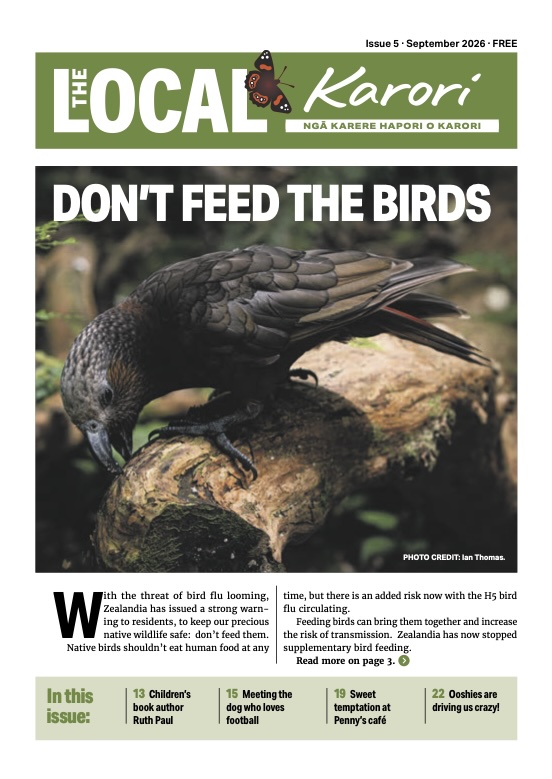
With the threat of bird flu looming, Zealandia has issued a strong warning to residents, to keep our precious native wildlife safe: don’t feed them. Native birds shouldn’t eat human food at any time, but there is an added risk now with the H5 bird flu circulating.
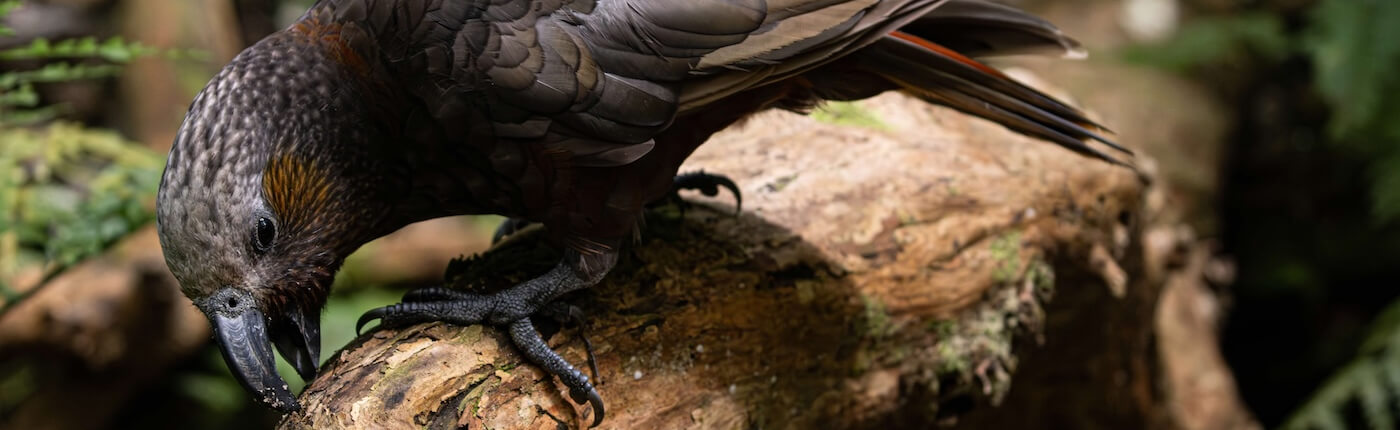
Being among Zealandia’s nearest neighbours, you’re very likely seeing kākā, kererū and maybe even korimako/bellbird or even tīeke/North Island saddleback around Karori or even in your garden! If you live close to the mammalian exclusion fence, you may well be hearing kiwi pukupuku at night.
With this privilege comes a responsibility to ensure the birds that have returned to Te Whanganui-a-Tara are healthy and wild.
That includes not feeding them, be it sugar water, bird seed, fruit and nuts or other ‘human food’. While Zealandia has long warned of the dangers of feeding birds in backyards, including the risk of kākā chicks developing bone and bill deformities, the arrival of H5 bird flu means an end to bird feeding is crucial to stop the risk of contamination. Feeding birds can encourage them to congregate and increase the risk of disease transmission between birds, now is the time to remove as many threats to wildlife as we can. We love the birds in Wellington. Don't feed them. Let them be wild.
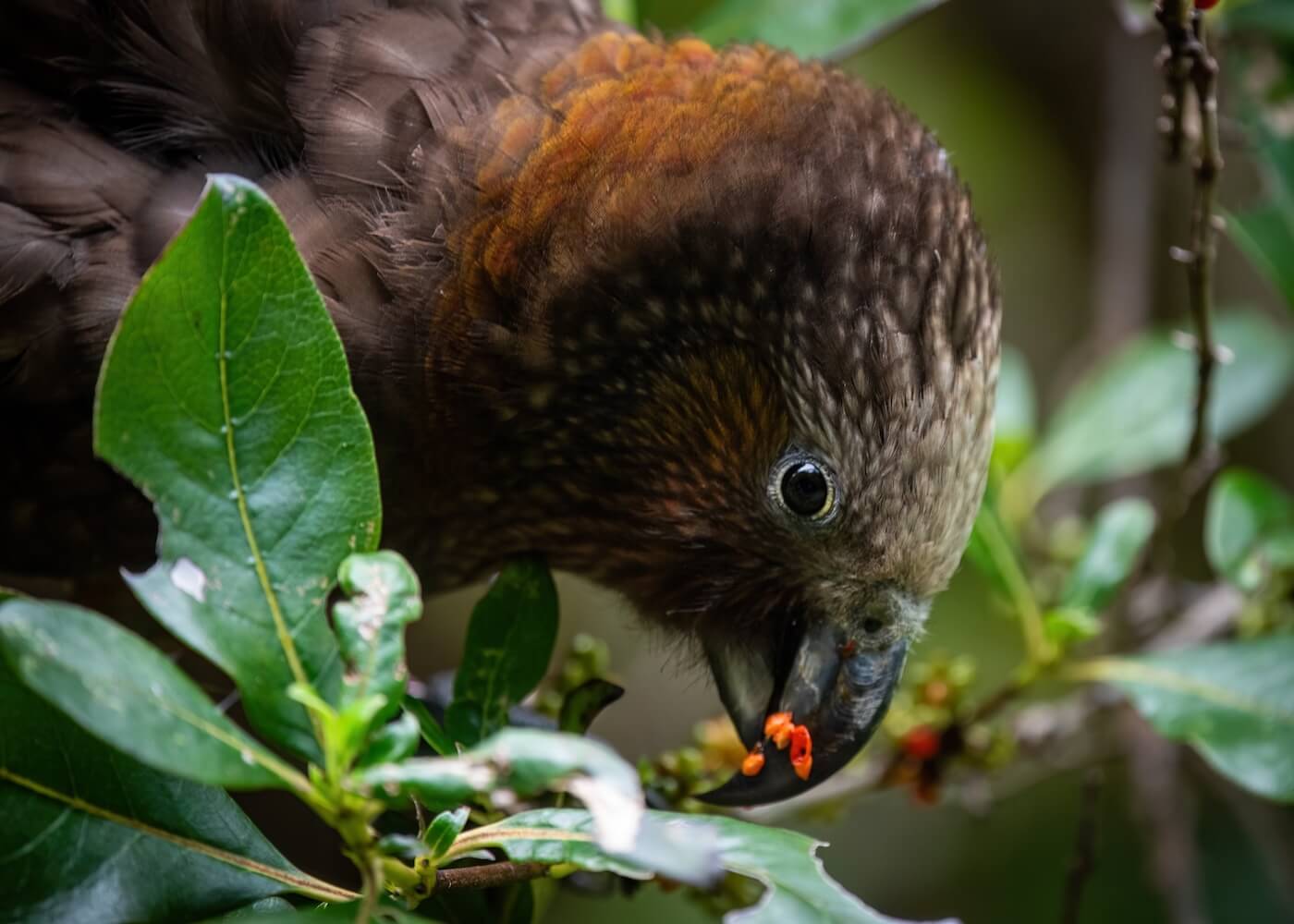
The of first things that Zealandia did once the first bird with H5 bird flu was identified in Petone was to stop supplementary feeding kākā in the sanctuary. Extra food had been supplied since the first 14 kākā arrived back in 2002 to anchor the small population to the sanctuary, where they and their chicks would be safe from mammalian predators. Now, in 2026, there is abundant natural food for kākā and other manu/birds inside and outside the fence, thanks to many years of predator control meaning there are many areas of healthy, regenerating forest.
Wellington is one of the few cities in the world where bird biodiversity is increasing not declining. We don’t know what impact H5 bird flu will have on our native species, but overseas experience tells us that at least some will be hit very hard.
Here’s some tips on how you can help keep the birds safe while still enjoying seeing them in your gardens and around Karori:
- Plant native plants and trees: By having native plants and trees in your backyard, birds naturally spread out to feed, keeping them safer!
- Get involved in backyard trapping: Make your backyard a safer place for birds to hang out by trapping.
- Be a responsible pet owner: Cats can get sick if they come into contact with an H5 bird flu infected sick or dead bird. Keep dogs on a lead and cats safe at home.
- Wash your boots and outdoor clothing in between wild places. Keep your gear clean to help reduce the spread between wild spaces.
- Keep an eye out. If you see three or more sick or dead wild birds, marine mammals, or other wildlife, report it to MPI’s Exotic Pest and Disease hotline on 0800 80 99 66.
STORIES YOU MIGHT HAVE MISSED
... loading ...